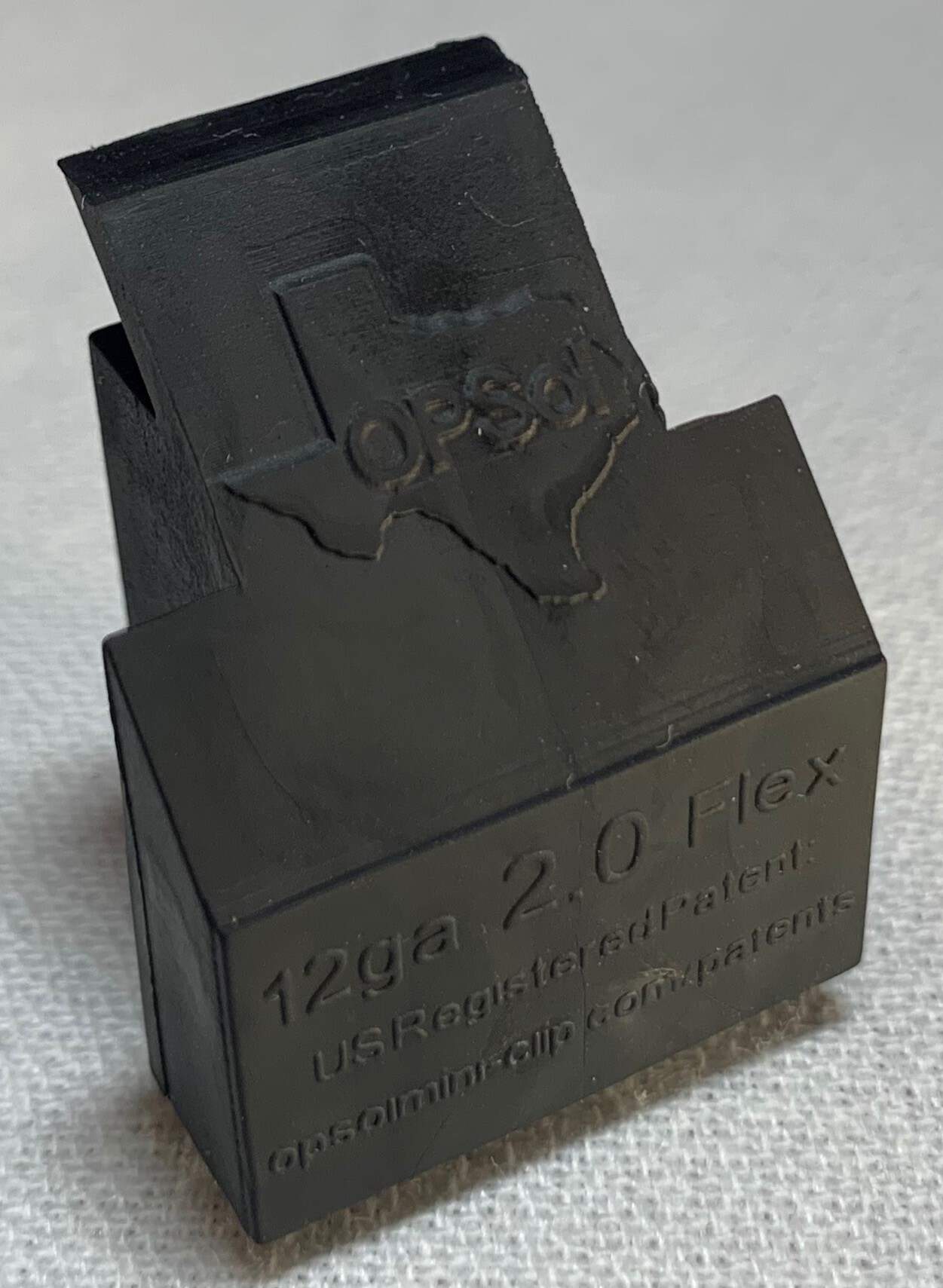
Although little accessories may seem straightforward, selecting the ideal one may take more consideration than anticipated. A component’s suitability for its intended purpose may be greatly impacted by variations in size, materials, construction, compatibility, and intended function. Buyers may prevent compatibility issues and needless replacements by being cautious before making a purchase.
When thinking about a mini clip, it’s helpful to consider factors other than price and style. Making an educated purchase selection may be facilitated by having a thorough understanding of specs, manufacturer information, construction quality, and relevant regulations.
Let’s Start With Compatibility
One of the first things to think about with any specialized attachment is compatibility. Even seemingly similar products might vary significantly in terms of size, connection locations, tolerances, or supported configurations.
Compare the product specs with the system or equipment that the accessory is meant to be used with before making a purchase. Because it may indicate compatible models, setups, and limits, manufacturer documentation may be very helpful.
Just because a component resembles another product doesn’t mean it will fit. Appropriate installation or operation may be impacted by even slight variations in form or size.
Observe The Construction And Materials
Durability, dependability, and lifespan may all be impacted by material quality. Over time, a component that is often handled or used must retain its structural integrity and form.
Seek precise details on the product’s composition and manufacturing process. In general, flawless finishing, uniform proportions, and the lack of visible flaws are characteristics of good construction.
Although a cheaper starting price can appear appealing, poor craftsmanship might result in early wear or replacement. Long-term value may be improved by considering overall construction quality instead of just cost.
Examine The Dimensions Carefully
Dimensional mistakes are minimal with compact components. Compatibility may be affected by dimensions including length, breadth, thickness, and attachment geometry.
Instead of depending just on photos, product descriptions should ideally include precise specs. Images are not always helpful for figuring out precise proportions, but they may assist consumers in appreciating basic form and style.
When assessing a mini clip, check published dimensions and compatibility data against the applicable manufacturer standards. By doing this quick check, you may avoid buying equipment that isn’t the right fit.
Recognize The Goal
Typically, specialized components are made for specific uses rather than general applications. Prior to making a purchase, it is crucial to comprehend that aim.
Examine the whole product description, taking note of any cautions, limitations, compatibility comments, and suggested uses. It can be better to ask the manufacturer or reseller for clarification if the intended usage is uncertain rather than making assumptions.
When it comes to equipment where improper installation or usage might raise safety issues, it is especially crucial to utilize parts solely for their intended use.
Seek Unambiguous Manufacturer Information
In general, trustworthy vendors provide helpful product information. Materials, dimensions, compatibility recommendations, installation details, warranty conditions, and customer service choices are a few examples of this.
Determining if an item is acceptable might be challenging when descriptions are vague. In the event that they want assistance with compatibility, refunds, or product inquiries, buyers should also search for easily available support information.
Because it provides purchasers with something tangible to assess rather than depending just on marketing promises, clear documentation is beneficial.
Take Safety And Legal Requirements Into Account
Certain attachments may be subject to laws, rules, manufacturer limitations, or safety requirements, depending on the kind of equipment involved. Different jurisdictions may have different regulations.
Buyers should make sure that ownership and usage of any specialized component are legal where they reside before making a purchase or installing it. Additionally, they must adhere to established safety procedures and any manufacturer guidelines.
Responsible ownership and appropriate handling should continue to be top priorities if an accessory is connected to regulated equipment.
Make A Well-Informed Final Choice
The key to selecting a tiny, specialized accessory is knowing precisely what you are purchasing and if it meets your needs. Before finalizing the purchase, verify compatibility, size, construction, paperwork, and any relevant restrictions.
A well-selected tiny clip should be assessed based on quality and appropriateness rather than just looks. Reducing purchase errors and ensuring that the chosen component is suitable for its intended and legal usage may be achieved by taking a little more time to check manufacturer guidelines and specifications.