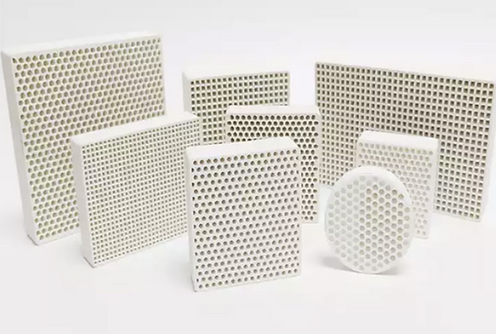
Industrial ceramic components can be used in applications where traditional materials would fail in extreme heat, chemical exposure, abrasion, or in harsh electrical environments. But it’s not just about picking the hardest or heat-resistant ceramic that is available. The strength, stability, durability and thermal performance of different materials vary. It is important to know the actual working environment to make a better selection for each application by engineers and purchasing personnel.
Start With the Actual Working Environment
All ceramic materials should be compared in the context of the operating environment. The performance of a component can be affected by temperature, pressure, vibration, friction, moisture, chemicals, and mechanical loading.
A ceramic used within a high-temperature processing unit may need to have a high level of thermal stability, whereas a component in equipment that is used for handling chemicals may have a higher requirement for chemical resistance. Insulation and Dielectric properties can have entirely different requirements for electrical applications.
These conditions should be specified as precisely as possible to limit the range of materials available and to prevent choosing a ceramic by general specification only.
Look Beyond Maximum Temperature Ratings
One of the primary considerations for choosing industrial ceramics is their heat resistance. A large number of ceramic materials can have useful properties over temperature ranges where polymers and some metals would change significantly.
However, maximum temperature is not the only factor to take into account. The continuous operating temperature, temperature variations, heating rates and cooling conditions should be considered by the engineer. If the material and/or design are not suitable, frequent thermal cycling can put stress on the ceramic components, potentially resulting in cracking.
Thermal shock resistance may therefore be a key factor in equipment that is frequently subjected to different temperatures.
Examine Chemical Exposure Carefully
Industrial components may be difficult to handle in chemical environments. Different materials may be affected differently by acids, alkalis, solvents, gases, salts and other materials, depending on the composition of the material and the operating conditions.
Companies that Order Industrial Ceramic Materials should include as much detail as they can about the materials the component will come in contact with. The impact of exposure to chemicals, temperature, exposure duration, and physical conditions can all affect material performance.
Good performance in one solution doesn’t necessarily mean good performance in another. Checking compatibility prior to manufacturing can help avoid premature degradation of materials.
Evaluate Wear, Strength, and Toughness
Many ceramic compositions have very high hardness and wear resistance, which makes them a good option for industrial ceramics used with materials that are used for friction and abrasion.
But hardness is not the only indication of successful performance of a component. Other areas also suffer impact, vibration, bending and/or sudden loading. In those cases, strength and toughness should be given the same amount of consideration.
The geometry of the components is also important. Stress can be concentrated in areas of sharp corners, holes, thin sections or changes in thickness. When selecting materials, therefore, it is important to take the overall design of the component into account.
Consider Thermal Expansion and Assembly
Ceramic components are often embedded in metal or other larger components. Thermal expansion should be taken into account when designing since all materials expand differently when heated.
Stresses can arise around mounting points, joints and interfaces if there is a significant difference between the expansion of the surrounding material and the ceramic. These stresses can increase if equipment is subjected to repetitive heating and cooling.
Knowing the expansion properties of all the key materials in an assembly can aid in designing more reliable connections.
Match the Material With Production Requirements
Performance of materials is just one criterion in selection. The ceramic should also be easily fabricated into the desired part.
The final material and manufacturing approach can be affected by the dimensions, tolerances, surface finish, geometry, machining requirements and production volume. Some components can be more complex and need to be processed further; others can be simpler and come in standard shapes.
Therefore, when selecting High Performance Ceramics USA, both technical performance and manufacturing feasibility should be taken into consideration when researching businesses and materials.
Review Quality and Supply Consistency
The level of quality can differ greatly from one industry to another. Specific purity, density, dimensions, chemical composition and mechanical properties may be required for some applications. Testing and documentation may also be required for quality control of internal processes.
Another practical issue is supply. When repeat orders are requested, it is important that the buyer is assured that the supplier will be able to supply the material to the same specification and with reasonable availability over time.
Addressing these needs at an early stage can help to avoid misunderstandings and ensure a more predictable procurement process.
Conclusion
The type of ceramic material used will depend on the entire operating environment and the requirements of the final product. Before making a decision, the temperature, chemicals, mechanical loads, wear, thermal expansion, manufacturing requirements, and quality expectations all should be taken into consideration. Taking time to set clear needs cuts down on bad choices and helps build parts that last. If your group needs strong parts, go to regmetals.com and talk to a pro soon.